Late-Season Heating Inspection: Get Your System Ready Before AC Season Arrives
As winter winds down across the Miami Valley, most homeowners stop thinking about their heating system. But late winter is actually the smartest time to schedule a furnace inspection—before you flip the switch to cooling and forget about your heater entirely until next fall.
A late-season heating inspection catches problems that developed during the hardest-working months of the year. Your furnace just carried your family through Ohio’s coldest stretch—January and February demand more from your system than any other time. Wear, stress cracks, and efficiency losses that occurred over winter won’t fix themselves over the summer. They’ll be waiting for you when you fire the system back up in October.
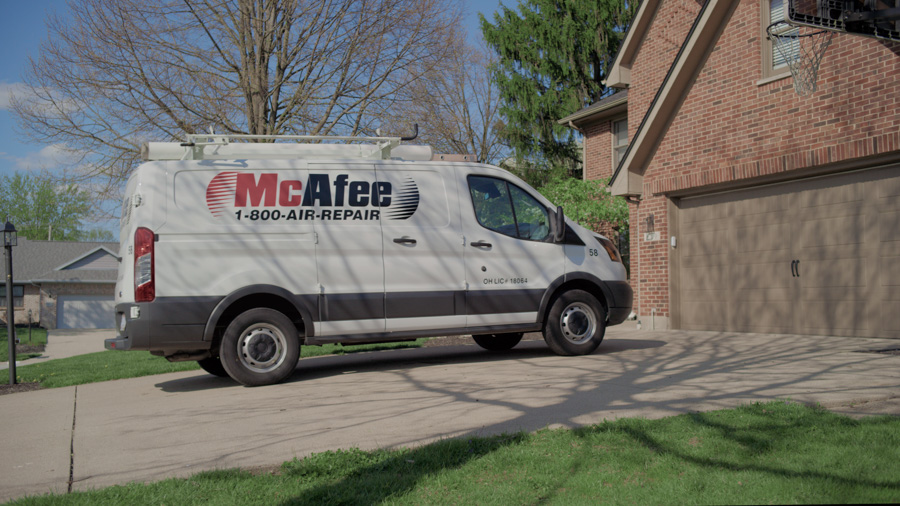
Since 1990, McAfee Heating, Air & Plumbing has helped Dayton-area families keep their HVAC systems running safely and efficiently year-round. We know that a few minutes of professional attention now can save you from a cold surprise next winter—and help your entire system transition smoothly into cooling season.
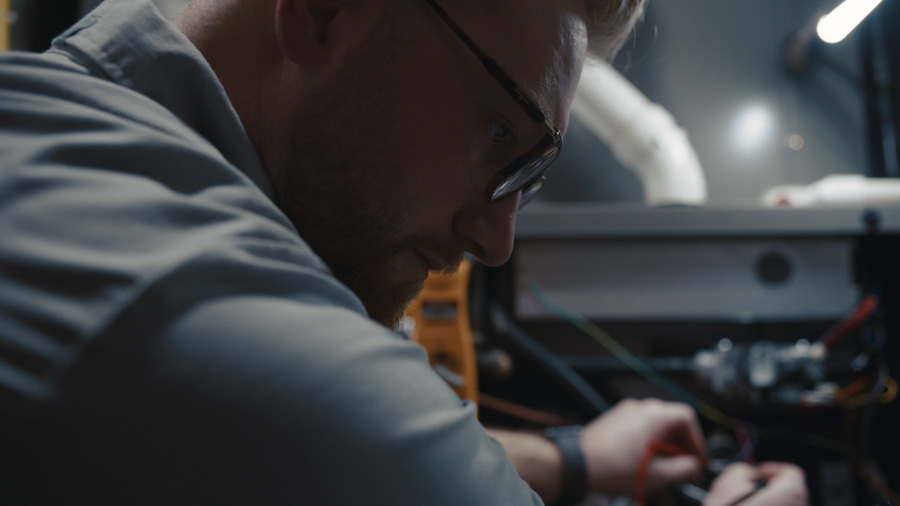
Why Late Winter? The Timing Advantage
- Post-Peak Assessment: Your furnace just survived its toughest season—now is when hidden damage reveals itself
- No Rush Scheduling: Emergency calls drop in late winter, so you get faster, more convenient appointment times
- Dual-System Prep: A heating inspection now sets the stage for a smooth AC startup in spring
- Cost Savings: Catching a small issue now prevents a major repair bill next October
- Safety First: Carbon monoxide risks from cracked heat exchangers are highest at end-of-season when fatigue sets in
- Warranty Protection: Many manufacturer warranties require annual professional maintenance
What Winter Does to Your Heating System
Months of heavy use take a toll—here’s what’s happening inside your furnace after a full Ohio winter:
The Hidden Toll of a Full Heating Season
Your furnace has been cycling on and off thousands of times since November. Every cycle stresses components, loosens connections, and accumulates wear that isn’t visible from the outside.
Heat Exchanger Stress: The heat exchanger expands and contracts with every heating cycle. Over a full winter, this repeated thermal stress can develop hairline cracks—especially in systems over 10 years old. A cracked heat exchanger is the single most dangerous furnace problem because it can leak carbon monoxide into your living spaces.
Burner and Ignition Wear: Burners collect residue and corrosion over the heating season. Ignition components—whether a hot surface igniter or flame sensor—degrade with use. A burner that lit reliably in November may be struggling by March.
Blower Motor Fatigue: Your blower motor has been running continuously for months. Bearings wear, lubrication diminishes, and electrical connections loosen from vibration. A motor showing early signs of failure now will almost certainly fail during next winter’s heavy demand.
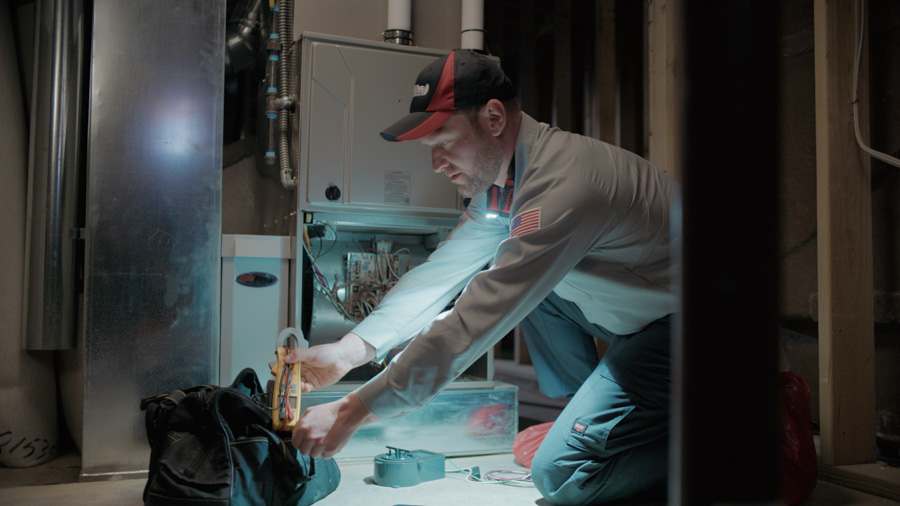
Safety Concerns You Can't See
Some of the most serious furnace problems produce no obvious symptoms until it’s too late. A professional inspection is the only reliable way to catch these issues.
Carbon Monoxide Risks: CO is odorless and colorless. A heat exchanger that developed a crack mid-season could be leaking small amounts of carbon monoxide every time your furnace runs. Late-season testing is critical because cracks often develop or worsen during the coldest months when the system runs hardest.
Gas Leak Potential: Connections between gas lines and your furnace can loosen over time from vibration and thermal cycling. Even a tiny gas leak is a serious safety hazard that requires immediate professional attention.
Electrical Hazards: Loose wiring, frayed connections, and overheating components are fire risks that develop gradually. An end-of-season inspection catches these problems before your system sits idle for months with a hidden hazard.
Exhaust Venting Issues: Flue pipes and exhaust vents can become partially blocked by debris, ice damage, or corrosion during winter. Improper venting sends combustion gases back into your home instead of safely outside.
What's Included in a Professional Heating Inspection
Our comprehensive furnace check-up covers every critical component:
Complete Safety Inspection
Thorough examination of all safety controls
Test carbon monoxide levels throughout the system
Clean & Adjust Burners
Remove residue and corrosion buildup
Calibrate for proper flame pattern and efficiency
Check Heat Exchanger
Inspect for cracks, corrosion, and wear
The most critical safety component in your furnace
Inspect Electrical Connections
Tighten loose wiring and test all connections
Check for signs of overheating or wear
Lubricate Moving Parts
Reduce friction on blower motor and bearings
Extends component life and reduces noise
Test System Performance
Verify thermostat accuracy and cycling
Measure airflow and temperature output
Limited Time: $99 Complete Furnace Check-Up
Save $85 Off the Regular Price!
For a limited time, get a professional heating system inspection for just $99—a comprehensive check-up that covers safety inspection, burner cleaning and adjustment, heat exchanger inspection, carbon monoxide testing, electrical connection inspection, and lubrication of all moving parts.
Don’t let your furnace sit all summer with hidden problems. Catch issues now while scheduling is easy and before the fall rush begins.
The Heating-to-Cooling Transition: Why It Matters
Your heating and cooling systems share more components than most homeowners realize. How you close out heating season directly affects how smoothly your AC starts up.
Shared Blower System: The same blower motor that pushes warm air through your home in winter circulates cool air in summer. A blower motor that’s struggling at the end of heating season won’t magically improve when you switch to cooling. Getting it inspected and serviced now prevents a breakdown on the first hot day.
Ductwork Condition: Your duct system has been expanding and contracting all winter. Joints may have loosened, and any gaps that developed during heating season mean lost efficiency when you switch to cooling. A late-winter inspection is a perfect time to identify duct issues.
Thermostat Calibration: A thermostat that drifted slightly off calibration during winter will affect your AC performance too. Verifying accuracy now ensures proper operation in both modes.
Air Filter Transition: Starting AC season with a fresh filter is essential. Your late-season heating inspection includes checking and recommending filter replacement—setting you up for clean, efficient cooling from day one.
Drain Line Preparation: Your AC’s condensate drain line has been sitting idle all winter. Before cooling season starts, it should be checked for clogs or buildup that could cause water damage once your AC starts producing condensation.
Preparing Your Home for AC Season
While you’re thinking about your heating system, take a few extra steps to ensure a trouble-free transition to cooling season.
Inspect the Outdoor Unit: Your AC condenser has been sitting outside through snow, ice, and debris all winter. Before the first warm day, clear any leaves, branches, or debris that accumulated around or on top of the unit. Ensure at least two feet of clearance on all sides.
Check Refrigerant Lines: The insulation on refrigerant lines running between your indoor and outdoor units can deteriorate over winter. Look for cracked, missing, or damaged insulation and have it replaced before cooling season.
Test Before You Need It: On the first mild day above 60°F, run your AC for 15-20 minutes to verify it starts and cools properly. Discovering a problem in March gives you weeks to schedule service. Discovering it during the first heat wave means waiting in line with everyone else.
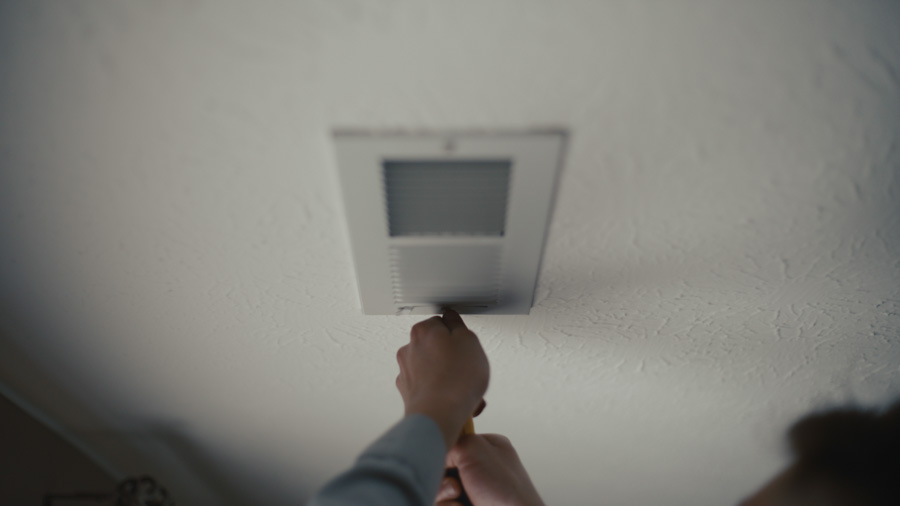
Clean Supply and Return Vents: Dust and debris accumulate on vents during heating season. Vacuum all supply registers and return grilles before switching to cooling. This improves airflow and indoor air quality from the start.
Consider a Professional Duct Cleaning: If it’s been several years since your ducts were cleaned, the transition between seasons is an ideal time. Clean ducts mean better airflow, improved air quality, and more efficient cooling.
Signs Your Heating System Needs Attention Before Shutdown
Don’t ignore these warning signs at the end of heating season—they’ll only get worse over summer:
- Strange noises: Banging, rattling, squealing, or grinding sounds indicate loose, worn, or failing components that need professional attention
- Rising energy bills: Higher bills this winter? Prices are up industry-wide, but we’ll help you figure out what’s really going on—and whether your system has anything to do with it.
- Uneven heating: Rooms that stayed cold despite thermostat adjustments suggest ductwork problems, blower issues, or failing components
- Frequent cycling: A furnace that turns on and off more often than usual may have a failing sensor, dirty flame detector, or thermostat problem
- Yellow burner flame: A healthy gas burner produces a steady blue flame. Yellow or flickering flames indicate incomplete combustion—a potential carbon monoxide risk
- Musty or burning smells: Unusual odors when the furnace runs can indicate dust buildup on components, electrical issues, or even a cracked heat exchanger
- Age over 15 years: Older systems are more prone to end-of-season failures. If your furnace is aging, a professional assessment helps you plan ahead rather than react to emergencies
Frequently Asked Questions
Is a late-season heating inspection really necessary if my furnace worked fine all winter?
Absolutely. Many furnace problems develop silently. A heat exchanger can crack without any noticeable change in performance—but it can leak carbon monoxide into your home. Electrical connections loosen gradually, and burner efficiency declines over time. Just because your furnace ran doesn’t mean it ran safely or efficiently. A professional inspection catches developing problems while they’re still small and inexpensive to fix.
What does the $99 furnace inspection include?
Our $99 Complete Furnace Check-Up includes a full safety inspection, carbon monoxide level testing, burner cleaning and adjustment, heat exchanger inspection, electrical connection inspection and tightening, and lubrication of all moving parts. This is the same comprehensive maintenance we perform for our Gold Membership tune-ups—at a special limited-time price that saves you $85 off the regular rate.
When should I switch from heating to cooling?
In the Dayton area, most homeowners make the switch sometime in April or May—but there’s no single right answer. The key is to test your AC before you need it. On the first day temperatures reach above 60°F, run your cooling system for 15-20 minutes to make sure it starts properly, blows cold air, and doesn’t make any unusual noises. This early test gives you time to schedule service if anything seems off.
Can I do a furnace inspection myself?
You can do basic maintenance like replacing filters and checking for obvious problems. However, critical safety checks—like heat exchanger inspection, carbon monoxide testing, gas leak detection, and electrical testing—require professional tools and training. These are the issues most likely to cause harm, and they’re exactly what a professional inspection is designed to catch.
My furnace is over 15 years old. Should I replace it or just maintain it?
A professional inspection can help answer this question. Our technicians will assess your system’s condition, efficiency, and remaining useful life. In general, furnaces over 15-20 years old become less efficient and more prone to expensive repairs. If your system needs a major repair, it may make more financial sense to invest in a new high-efficiency unit. We’ll give you an honest assessment and help you weigh the options—scheduling a late-season inspection is actually the best time to have this conversation, since you have months to plan before next winter.
What's the benefit of scheduling now versus waiting until fall?
Late winter and early spring are the easiest times to schedule HVAC service—our calendar is less packed, and you get more flexibility with appointment times. Come September and October, everyone remembers their furnace at once, and scheduling becomes much tighter. If our inspection reveals a needed repair, you have months to handle it at your pace rather than scrambling before the first cold night. Plus, you’ll know your system is ready and safe before it sits idle all summer.
Save Year-Round with McAfee Gold Membership
Want to skip the worry entirely? McAfee Gold Members receive two precision tune-ups every year—one for heating in the fall and one for AC in the spring—so your system is always professionally maintained and ready for the next season. For just $24.95 per month per system, you also get 30% off all repairs, no diagnostic fees during regular hours, and reduced emergency fees after hours. It’s the smartest way to protect your home comfort investment—members save an average of $400-$800 per year. No contracts, cancel anytime.
Don't Let a Good Winter Go to Waste
Your Furnace Got You Through Winter—Now Return the Favor
A late-season inspection is the simplest thing you can do to protect your home’s comfort year-round. It catches winter damage before it becomes an expensive fall emergency, and it sets you up for a smooth transition to cooling season. McAfee’s experienced technicians have been keeping Dayton-area families comfortable since 1990—schedule your $99 furnace check-up today and head into spring with confidence.
Since 1990
Serving Dayton, Kettering, Beavercreek & Centerville
Licensed & Insured
Background-checked professional technicians
Full Service
Heating, cooling, and plumbing expertise