
Why Water Heaters Rarely Fail Without Warning
A water heater almost never quits out of nowhere. It declines in stages, dropping hints for weeks or months before the morning you finally step into a cold shower. Learning to read those hints is the difference between a planned repair and an unexpected scramble. Here’s how a typical water heater wears down:
- Stage One – Sediment Builds Up: Over time, minerals from Ohio’s hard water settle to the bottom of the tank. This sediment layer is the root cause of most water heater problems, and it builds quietly long before you notice anything.
- Stage Two – Strange Noises: As sediment hardens, you may hear popping, cracking, or rumbling sounds when the unit heats. That’s water trapped beneath the sediment boiling its way out—an early, audible warning.
- Stage Three – Performance Drops: The tank loses efficiency as sediment insulates the water from the burner or element. Hot water runs out faster, takes longer to recover, and the system works harder to keep up.
- Stage Four – Leaks and Failure: Years of sediment and corrosion eventually take their toll on the tank itself. Once a tank starts leaking, repair is no longer an option—and the failure often arrives at the worst possible moment.
The overlooked warning: Rumbling or popping sounds from your water heater aren’t just noise—they’re a sign that sediment has built up and the unit is already losing efficiency. Addressing it early, often with a simple flush, can add years to the tank’s life.
What a Struggling Water Heater Costs You
It’s tempting to live with a water heater that’s “mostly fine.” But a unit fighting through sediment buildup or a worn component runs longer and works harder to deliver the same hot water—and that inefficiency shows up on your energy bill every month while the underlying problem keeps getting worse.
That means every month you run a sediment-clogged water heater, you’re paying twice—once in higher energy costs, and again in the shortened lifespan of a unit that’s wearing out faster than it should. Catching the problem early protects both.
Repair or Replace? How to Tell
Not every water heater problem means a new unit. The right call depends on the age of the system and the nature of the issue:
- Often Repairable: A failed thermostat, a worn heating element, a faulty burner, or a small leak at a fitting can usually be repaired—especially on a unit that’s still within its expected lifespan.
- The 10-Year Mark: Most tank water heaters last around ten to twelve years. Once a unit passes that point, replacement often makes more sense than continuing to repair an aging tank that’s nearing the end of its life.
- A Leaking Tank Means Replacement: If the tank itself is leaking—not just a fitting—repair isn’t an option. A corroded tank needs to be replaced before it fails completely and causes water damage.
- Tank vs. Tankless: When it is time to replace, you have options. Tankless units save space and energy and provide continuous hot water, while traditional tanks remain a practical choice for larger households. McAfee services and installs tank, tankless, gas, electric, and hybrid systems and can help you choose the right fit.
Signs Your Water Heater Needs Attention
It’s not always obvious that your water heater is the problem. These are the warning signs worth calling McAfee about:
- Inconsistent Temperature: Hot water that runs out quickly or fluctuates during use points to sediment buildup or a failing component.
- Rusty or Cloudy Water: Discolored hot water often indicates corrosion inside the tank or sediment stirring up—an early sign the tank may be deteriorating.
- Strange Noises: Popping, cracking, or rumbling sounds during heating are the classic symptom of sediment that’s built up at the bottom of the tank.
- Water Around the Unit: Any puddles or moisture near the base of the water heater need prompt attention—a small leak can be an early warning, and a tank leak needs immediate action.
- Longer Recovery Times: If your household is suddenly running out of hot water faster than it used to, the unit is losing efficiency and the cause is worth identifying.
What Professional Water Heater Service Actually Does
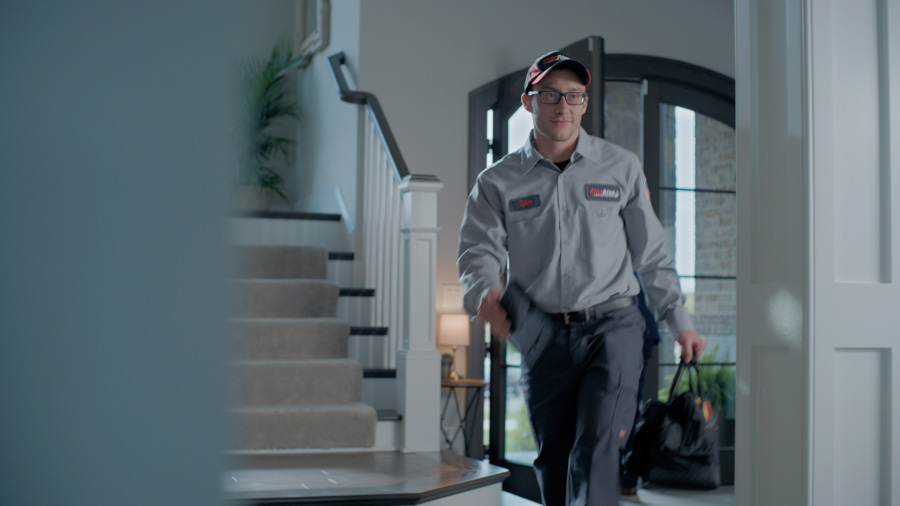
There’s a big difference between hoping a noisy tank holds out and a thorough, professional water heater service. McAfee’s technicians perform a full diagnosis—checking the tank, the anode rod, the heating components, and the safety valve—to identify the real issue rather than guessing. You get an upfront explanation of your options and honest pricing before any work begins, and a fully stocked service vehicle means most repairs are handled in a single visit.
After proper service, the difference is often immediate—reliable hot water, quieter operation, and for many households, a meaningful drop in the energy costs that a sediment-clogged tank had been quietly driving up.
Don’t Wait for the Cold Shower
The smartest time to address a water heater is at the first warning sign—a strange noise, a temperature swing, a longer recovery time—not the morning it finally gives out. A unit that fails completely tends to do so without notice, often leaving water on the floor and your household without hot water until it’s replaced. Acting early, or keeping up with an annual flush, keeps a manageable repair from becoming an unexpected replacement.
McAfee Heating, Air Conditioning & Plumbing has been keeping hot water flowing in Miami Valley homes since 1990. With technicians who service every type of water heater, fully stocked service vehicles, upfront pricing, background-checked staff, and a BBB Torch Award for ethics, McAfee brings more than 35 years of experience to every unit. They proudly serve Dayton, Kettering, Beavercreek, Centerville, Miamisburg, Springboro, Xenia, Fairborn, Bellbrook, and the surrounding communities.
